Coyote Population by State 2026
Estimated Minimum Population
State | Estimated Minimum Population 2023↓ | Estimated Maximum Population 2023 | Sighting Frequency | |
|---|---|---|---|---|
 | Texas | 859,510 | 859,510 | Common |
 | California | 250,000 | 750,000 | Common |
 | Arizona | 200,000 | 200,000 | Common |
 | Kansas | 150,000 | 300,000 | Common |
 | New Mexico | 125,000 | 125,000 | Common |
 | Arkansas | 106,360 | 212,720 | Common |
 | Pennsylvania | 100,000 | 100,000 | Common |
 | Georgia | 90,000 | 90,000 | Common |
 | Wyoming | 86,000 | 86,000 | Common |
 | Oregon | 83,695 | 83,695 | Common |
 | Colorado | 78,252 | 89,050 | Common |
 | Nebraska | 77,345 | 154,690 | Common |
 | South Dakota | 70,000 | 75,000 | Common |
 | Nevada | 55,000 | 110,000 | Common |
 | Alabama | 52,400 | 786,285 | Common |
 | Louisiana | 52,370 | 104,740 | Common |
 | Idaho | 52,000 | 52,000 | Common |
 | North Carolina | 51,905 | 51,905 | Common |
 | Virginia | 50,000 | 50,000 | Common |
 | Washington | 50,000 | 50,000 | Common |
 | Tennessee | 38,202 | 38,202 | Common |
 | Mississippi | 32,612 | 41,392 | Common |
 | Illinois | 30,000 | 30,000 | Common |
 | Kentucky | 20,200 | 40,400 | Common |
 | New York | 20,000 | 30,000 | Common |
 | Wisconsin | 17,000 | 20,000 | Common |
 | Maine | 15,000 | 15,000 | Common |
 | Minnesota | 14,490 | 28,980 | Common |
 | Florida | 13,000 | 70,000 | Common |
 | Iowa | 12,000 | 13,000 | Common |
 | Massachusetts | 12,000 | 12,000 | Common |
 | West Virginia | 11,000 | 12,000 | Common |
 | New Hampshire | 4,500 | 4,500 | Common |
 | New Jersey | 4,000 | 6,000 | Common |
 | Rhode Island | 3,642 | 6,070 | Common |
 | Connecticut | 3,000 | 5,000 | Common |
 | Vermont | 1,000 | 5,000 | Common |
 | Oklahoma | 768 | 2,700 | Common |
 | Delaware | 50 | 100 | Common |
 | Alaska | Rare | ||
 | Hawaii | No sightings | ||
 | Indiana | Common | ||
 | Maryland | Common | ||
 | Michigan | Common | ||
 | Missouri | Common | ||
 | Montana | Common | ||
 | North Dakota | Common | ||
 | Ohio | Common | ||
 | South Carolina | Common | ||
 | Utah | Common | ||
 | United States | 2,892,301 | 4,710,939 |
- States that allow hunting of coyotes may or may not require the hunter to acquire a license or permit as well.
- Population estimates shown were sourced from/provided by Wildlife Department reports, scientific papers, news outlets, studies, and other official sources. For states in which the Wildlife Department lacks an official population estimate, unofficial estimates were calculated based on coyote density reports provided by state agencies, researchers, and other official sources.
- All estimates were current as of January 2023. As wild animal populations are dynamic, all figures are subject to change.
- While precise population estimates are unavailable, coyotes are known to thrive in Indiana, Maryland, Michigan, Missouri, Montana, North Dakota, Ohio, South Carolina, and Utah. A small-but-uncounted population of coyotes is also known to exist in Alaska.
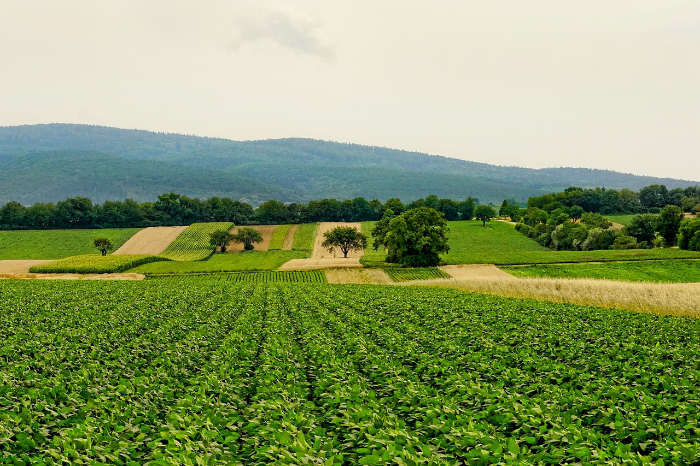
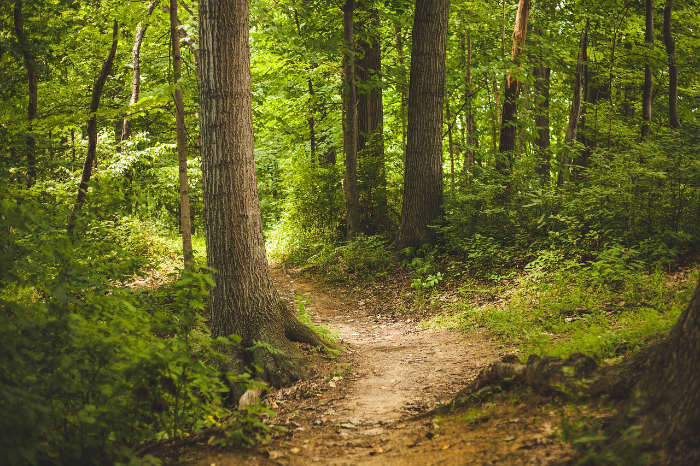
The coyote, a cunning and adaptable predator, has established a widespread presence across the United States, with populations varying significantly from state to state. Known for their remarkable ability to thrive in diverse habitats, coyotes can be found in urban areas, rural landscapes, and wilderness regions alike.
In states like Texas and California, where the terrain offers ample cover and resources, coyote populations soar into the hundreds of thousands. These states boast year-round populations, reflecting the species’ ability to adapt to various environmental conditions and exploit human-modified landscapes. Similarly, Arizona, Kansas, and New Mexico maintain substantial coyote populations, with year-round hunting permitted in many regions.
However, the coyote’s ubiquitous presence prompts discussions about human-wildlife interactions and management strategies. Concerns arise over conflicts with domestic animals, predation on livestock, and potential impacts on ecosystems. In response, states like Texas and Alabama permit year-round hunting to manage populations and mitigate potential conflicts, while others implement specific hunting seasons or regulations to balance conservation efforts with human interests.
Despite their controversial status as predators, coyotes play a vital role in ecosystems as mesopredators, regulating prey populations and contributing to overall biodiversity. Understanding the distribution and dynamics of coyote populations across states helps inform wildlife management decisions and fosters coexistence between humans and wildlife in diverse landscapes.