Arable Land by Country 2026



- A hectare is a unit of area equivalent to a square whose sides measure 100 yards each. One hectare is equal to 2.471 acres.
The word “arable” comes from the Latin word arabilis, meaning “able to be plowed.” Arable land is defined by the United Nations Food and Agriculture Organization (FAO) as land currently used, or potentially capable of being used, to grow seasonal crops. This definition includes annual crops, such as wheat, beans, and rice, but excludes land used for pasturing, tree farming (or “silviculture”), or more durable agricultural installations such as vineyards, orchards, and coffee and rubber plantations.
Most Arable Land by Country
The United States and India have the most arable land in the world, though the two countries occasionally swap positions. For example, the United States ranked first in 2021 but was second in 2016 with roughly 152.2 million hectares of arable land (about 588,000 square miles), which is approximately 16.8 percent of U.S. land area. In the top spot was India, which devoted almost 53 percent of its land area to crops and tallied 156.4 million hectares of arable land.
India’s neighbor Bangladesh is just over 58% arable, having earned it with the highest percentage of arable land in the world in 2016. Greenland is the largest country with no arable land, while the smallest nation—the small city-state of Vatican City—has none as well.
According to the FAO, the world’s arable land amounted to 1.38 billion hectares (5.34 million square miles) in 2019. Arable land worldwide has decreased by nearly a third since 1961. This reduction is due largely to deforestation, soil erosion, and desertification caused by global climate change.
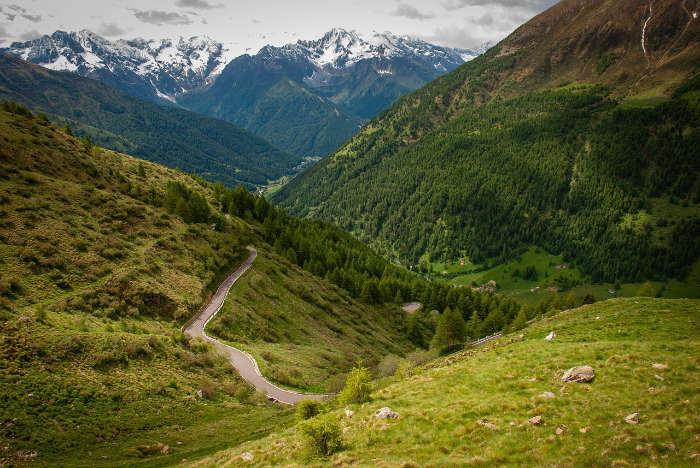
Non-arable land can sometimes be made arable – for example, by removing forests or tilling pasture land. On the other hand, non-arable land, such as mountains, tundra, or desert, is often permanently non-arable.